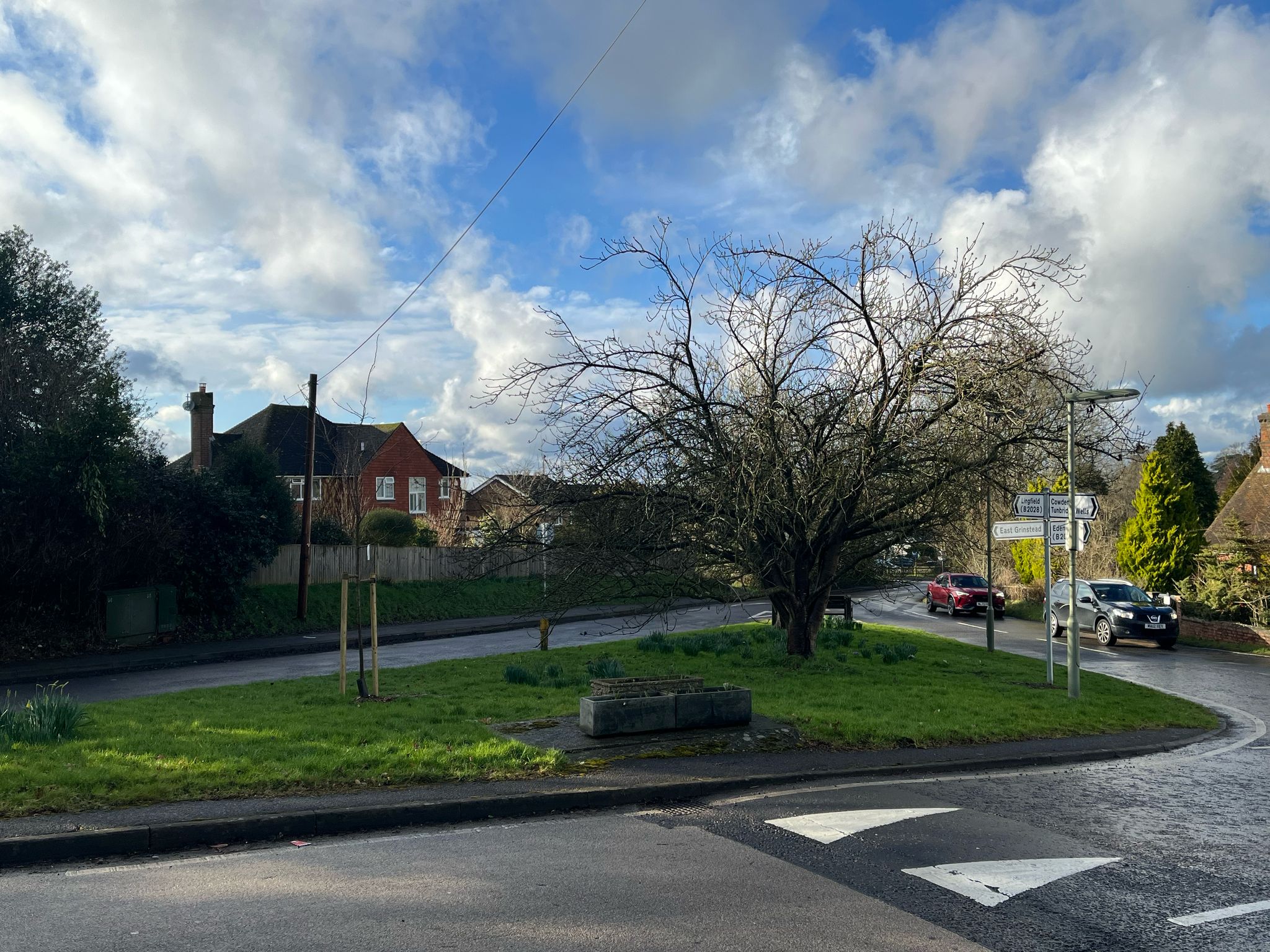
DNP2: Supporting Good Design
DNP2: Supporting Good Design
Development proposals should contribute to the objective of achieving well-designed places reflecting local character and design preferences. To achieve this, proposals must demonstrate how their scheme positively responds to the relevant design strategy and accords with the relevant codes set out in the Dormansland Design Code, as relevant to their location, scale and nature.
The policy responds to the Government’s encouragement that neighbourhood plans should set out local design guidance by refining the series of Local Plan design policies to provide design codes that covers all of the parish contributing to neighbourhood plan objectives 1); 2); 5); 7); 9) and 10).
§134 of the NPPF clarifies that design codes can be prepared as part of a plan, which is what this neighbourhood plan has chosen to do in order for its content to carry the full weight of the development plan. The Code is an integral part of the policy but is extensive in distinguishing the different character areas in the parish and is therefore published separately. To be clear therefore, as the Code has been prepared and consulted on as part of the Plan, its content carries the full weight of the development plan in decision making and is not subordinate or supplementary guidance carrying lesser weight. The Code is also available online as visual and interactive material. It contains a guide to clarify its coverage and user instruction. The Code coverage is also presented in Table 1 – click here to view.
The Design Code consists of analysis exploring the local character and context which applicants should acknowledge and use to guide their exploration of the local character of the area. It also includes a design vision analysis that informs the level of design control that is needed for a particular area which is reflected in a series of design strategies for each of the character areas. Applicants will therefore be expected to have acknowledged, understood and positively responded to the relevant design strategy in demonstrating the design choices within their schemes.
Finally, the Code seeks to achieve the design goals for each character area and the wider parish. The character area codes relate to design choices on movement, built form and identity. The wider parish codes relate to design choices on nature, identity, resources and lifespan. The codes use the words must, should and could indicating where there remains flexibility for specific circumstances. Applicants will need to demonstrate compliance with the relevant codes as set out in the Code and as relevant to the location, nature and scale of their proposals. Where a proposal does not seek to follow the requirements of the Code then the application will be obliged to justify why an exception should be made.